
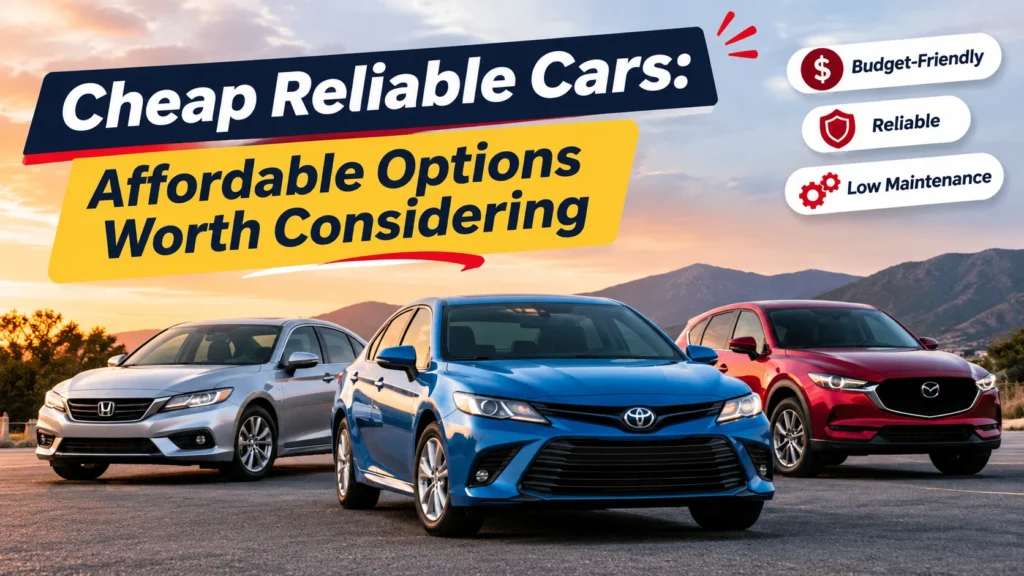
Finding cheap reliable cars does not mean sacrificing comfort, fuel economy or everyday performance. Many affordable used vehicles provide dependable transportation without excessive maintenance expenses.
The Toyota Corolla, Honda Civic and Mazda3 are good starting points for budget-conscious buyers. The Toyota Camry and Honda Accord offer more passenger space, while the Honda Fit and Toyota Prius are worth considering for economical daily driving.
However, a car’s reliability depends on its model year, maintenance history, mileage and mechanical condition. This guide compares 10 affordable vehicles and explains how to choose one without overlooking expensive problems.
Quick Answer: The Toyota Corolla, Honda Civic and Mazda3 are practical affordable options for daily commuting. Consider the Toyota Camry or Honda Accord for family transportation, and the Toyota Prius for fuel savings. Always prioritize vehicle condition and maintenance history over brand reputation alone.
What Makes a Cheap Car Reliable?
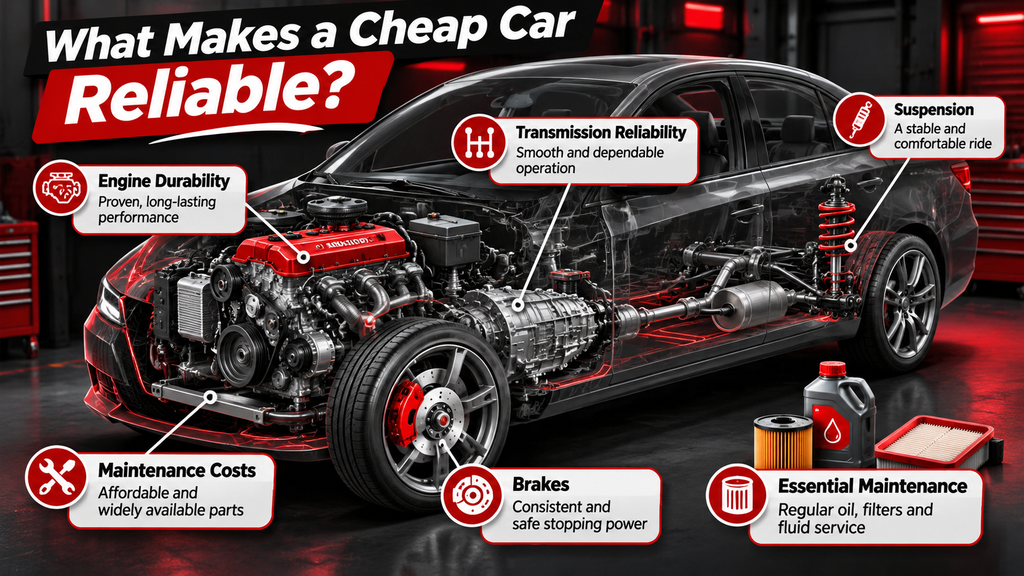
A reliable car should provide dependable transportation without frequent or unexpectedly expensive repairs. When comparing affordable vehicles, consider the following factors:
- Engine durability: An engine with documented maintenance and good mechanical condition.
- Transmission reliability: Smooth operation without slipping, hesitation or unusual noises.
- Maintenance costs: Affordable routine servicing and replacement components.
- Fuel economy: Reasonable fuel consumption during everyday driving.
- Parts availability: Easy access to replacement parts and repair services.
- Safety: Suitable safety equipment, crash-test performance and recall history.
- Service history: Records showing regular maintenance and necessary repairs.
A slightly more expensive car with a documented maintenance history may offer better long-term value than the cheapest vehicle available.
10 Best Cheap Reliable Cars Worth Considering
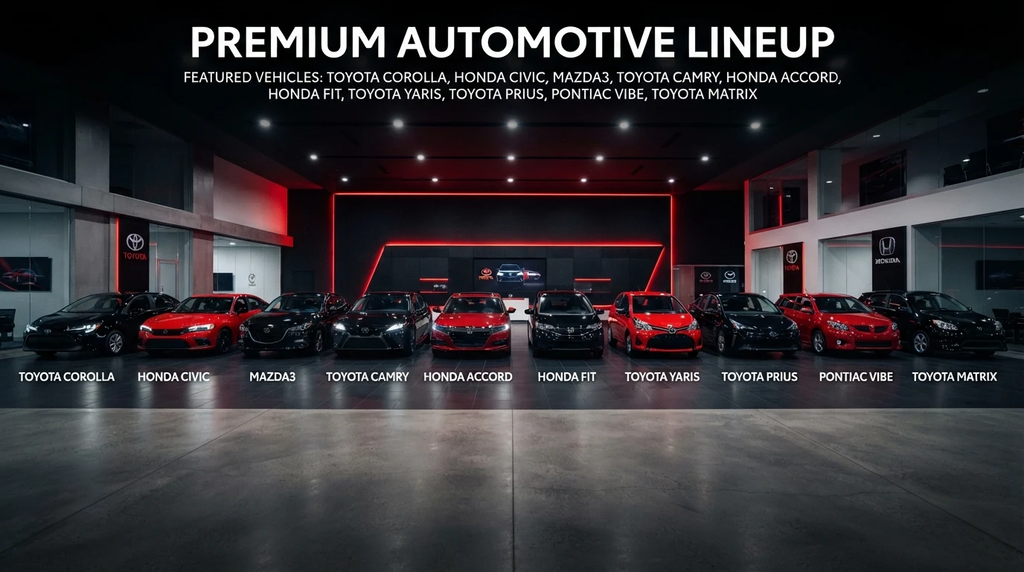
The following vehicles are worth researching because of their practicality, established reliability reputation and maintenance accessibility. This shortlist is not a definitive reliability ranking.
1. Toyota Corolla
The Toyota Corolla is a practical compact car for drivers seeking economical daily transportation. Its popularity makes replacement parts and experienced mechanics relatively easy to find.
- Model years to research: 2014–2017
- Best for: Daily commuters and first-time drivers
- Advantages: Fuel efficiency, practicality and accessible maintenance
- What to check: Transmission operation, fluid leaks and service records
2. Honda Civic
The Honda Civic combines efficient engine options, comfortable handling and everyday practicality. An unmodified example with good maintenance records is worth considering.
- Model years to research: 2013–2015
- Best for: Students and young professionals
- Advantages: Good fuel economy and comfortable driving
- What to check: Air conditioning, suspension and transmission servicing
3. Mazda3
The Mazda3 offers responsive handling, attractive styling and efficient engine options. It is suitable for buyers who want an enjoyable driving experience on a limited budget.
- Model years to research: 2014–2016
- Best for: Drivers who value handling and comfort
- Advantages: Efficient engines and responsive steering
- What to check: Underbody corrosion, suspension and infotainment operation
4. Toyota Camry
The Toyota Camry provides a spacious cabin and comfortable ride. Four-cylinder versions are particularly worth considering for buyers who want to manage fuel and maintenance expenses.
- Model years to research: 2015–2017
- Best for: Families and highway commuters
- Advantages: Passenger space and everyday comfort
- What to check: Transmission performance, cooling system and oil leaks
5. Honda Accord
The Honda Accord offers a comfortable interior and practical engine choices. Four-cylinder models provide a reasonable balance between performance and running costs.
- Model years to research: 2013–2017
- Best for: Families and long-distance drivers
- Advantages: Spacious cabin and comfortable highway driving
- What to check: Transmission servicing, starter operation and electrical systems
If you choose a V6 Accord, verify that its timing belt maintenance is up to date.
6. Honda Fit
The Honda Fit combines compact dimensions with impressive cargo flexibility. Its folding rear seats make it useful for shopping, commuting and carrying everyday equipment.
- Model years to research: 2010–2013 or 2017–2019
- Best for: Students and city drivers
- Advantages: Flexible cargo space and economical operation
- What to check: Water leaks, suspension and transmission maintenance
7. Toyota Yaris
The Toyota Yaris is a small, economical vehicle designed for everyday transportation. Its compact size makes parking and driving through crowded streets easier.
- Model years to research: 2012–2016 Toyota-built hatchback
- Best for: City driving and limited budgets
- Advantages: Compact size and economical operation
- What to check: Rust, wheel bearings, brakes and suspension
8. Toyota Prius
The Toyota Prius is worth considering for drivers who want to reduce fuel expenses. Its hybrid system is particularly useful during stop-and-go commuting.
- Model years to research: 2016–2018
- Best for: High-mileage commuters
- Advantages: Excellent fuel economy and practical cargo space
- What to check: Hybrid battery health, cooling systems and warning lights
Arrange a professional hybrid-system inspection before buying an older Prius.
9. Pontiac Vibe
The Pontiac Vibe shares mechanical foundations with the Toyota Matrix. Its hatchback design makes it an interesting option for buyers who need inexpensive cargo space.
- Model years to research: 2005–2008
- Best for: Buyers with limited purchasing budgets
- Advantages: Flexible cargo space and shared Toyota mechanical components
- What to check: Structural rust, oil leaks and suspension wear
10. Toyota Matrix
The Toyota Matrix offers compact-car dimensions with the practicality of a hatchback. It is suitable for drivers who need additional cargo room without buying a larger SUV.
- Model years to research: 2005–2008
- Best for: Affordable everyday transportation
- Advantages: Practical interior and familiar mechanical components
- What to check: Oil consumption, underbody rust and transmission operation
Cheap Reliable Cars Comparison Table
Use this comparison to shortlist vehicles according to your budget and daily driving requirements.
| Car Model | Model Years | Target Budget | Best For |
|---|---|---|---|
| Toyota Corolla | 2014–2017 | $7,000–$12,000 | Daily commuting |
| Honda Civic | 2013–2015 | $7,000–$12,000 | First-time drivers |
| Mazda3 | 2014–2016 | $7,000–$12,000 | Driving comfort |
| Toyota Camry | 2015–2017 | $9,000–$15,000 | Families |
| Honda Accord | 2013–2017 | $8,000–$15,000 | Highway driving |
| Honda Fit | 2010–2013, 2017–2019 | $5,000–$15,000 | City driving |
| Toyota Yaris | 2012–2016 | $5,000–$10,000 | Budget buyers |
| Toyota Prius | 2016–2018 | $10,000–$17,000 | Fuel savings |
| Pontiac Vibe | 2005–2008 | $3,000–$6,000 | Affordable cargo space |
| Toyota Matrix | 2005–2008 | $3,500–$7,000 | Everyday practicality |
Note: These are illustrative US shopping budgets, not live market valuations. Actual prices vary by location, mileage, condition, trim level and availability. Taxes and registration fees may be additional.
Best Cheap Reliable Cars by Budget
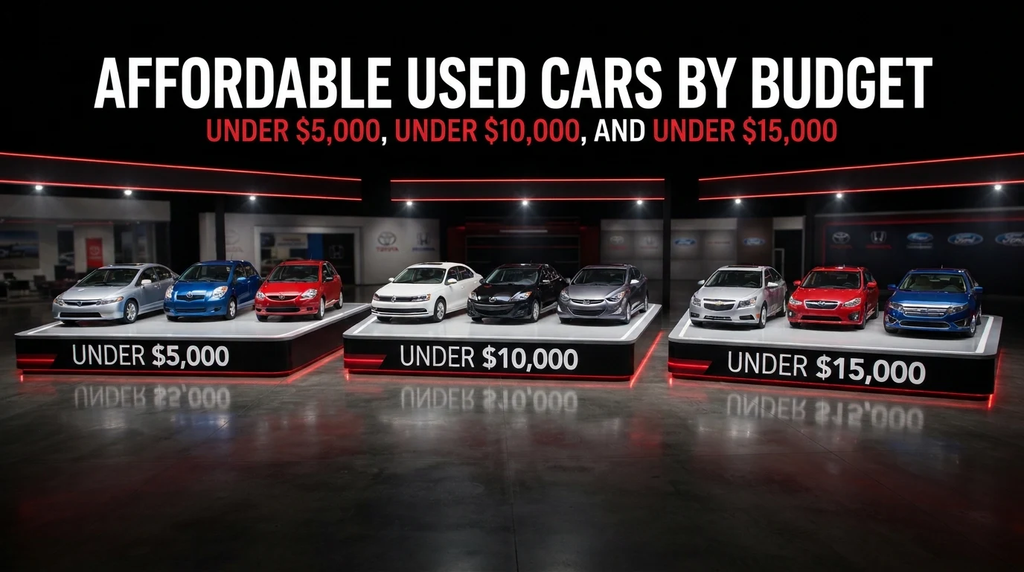
Reliable Cars Under $5,000
Finding a dependable vehicle under $5,000 can be challenging because many available cars will be older and have higher mileage.
- Pontiac Vibe
- Toyota Matrix
- Older Toyota Corolla
- Older Toyota Yaris
Prioritize mechanical condition, structural integrity and maintenance history rather than appearance.
Reliable Cars Under $10,000
This budget provides greater flexibility when searching for dependable compact cars and economical daily drivers.
- Toyota Corolla
- Honda Civic
- Mazda3
- Honda Fit
- Toyota Yaris
Reliable Cars Under $15,000
A larger budget may provide access to newer vehicles, improved safety features and more comfortable interiors.
- Toyota Camry
- Honda Accord
- Toyota Corolla
- Mazda3
- Toyota Prius
Buying Tip: Do not spend your entire budget on the vehicle. Reserve money for registration, insurance, professional inspection and any immediate maintenance.
Is It Better to Buy a Cheap New or Used Car?
Both new and used cars have advantages. Your decision should depend on your available budget, driving requirements and ability to handle unexpected repairs.
| Factor | New Car | Used Car |
|---|---|---|
| Purchase price | Generally higher | Generally lower |
| Warranty | Usually included | Varies by vehicle |
| Depreciation | Typically higher initially | Often lower initially |
| Repair uncertainty | Generally lower initially | Depends on condition |
| Safety technology | Usually more modern | Depends on model year |
A well-maintained used vehicle can offer better value for buyers with limited budgets. A new car may be preferable if warranty protection and newer safety features are important to you.
Hidden Costs of Buying a Cheap Car
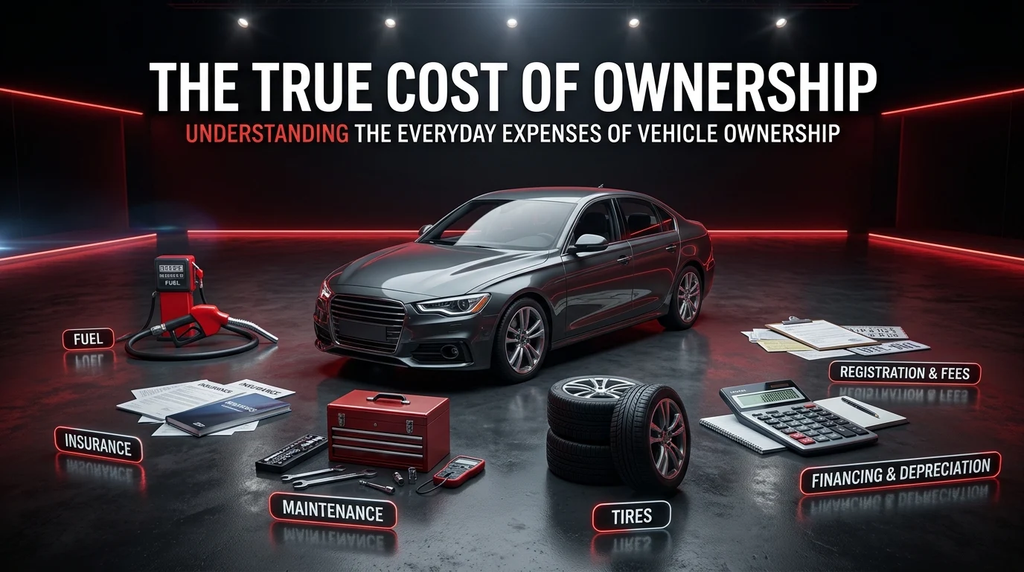
A low purchase price does not automatically mean low ownership costs. Consider these additional expenses before buying:
- Fuel and insurance
- Registration and taxes
- Oil changes and scheduled servicing
- Tire and brake replacement
- Battery replacement
- Unexpected mechanical repairs
- Financing interest
Realistic Ownership Cost Example
| Expense | Car A | Car B |
|---|---|---|
| Purchase price | $5,000 | $7,000 |
| Immediate repairs | $2,000 | $300 |
| First-year maintenance | $800 | $500 |
| Total | $7,800 | $7,800 |
This hypothetical example shows how a cheaper vehicle can cost the same as a more expensive car after repairs and routine maintenance. Fuel, insurance, registration and financing are excluded.
How to Choose a Reliable Used Car
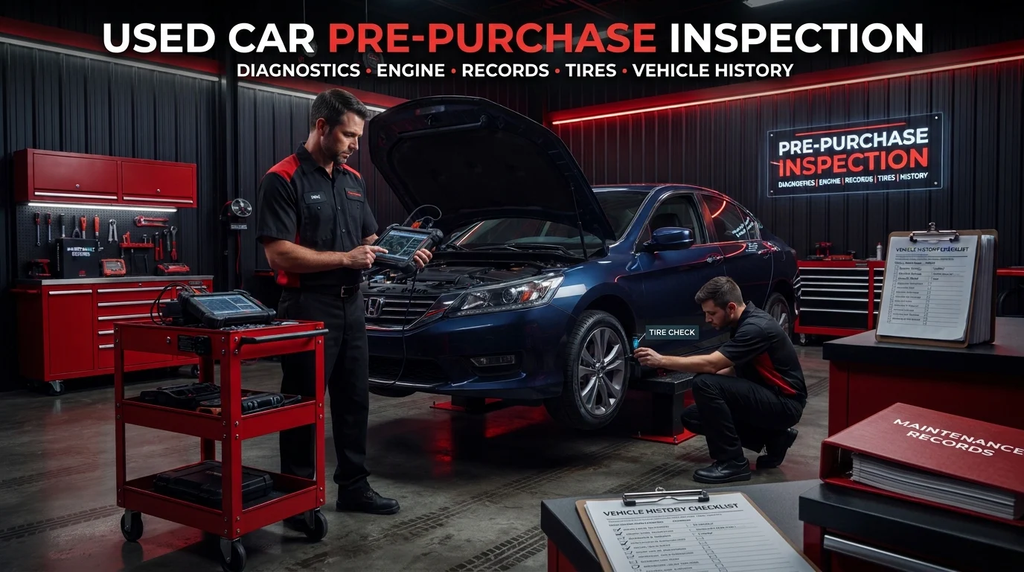
Follow these six steps before purchasing an affordable used vehicle.
1. Review the Vehicle History Report
Check for reported accidents, flood damage, title problems and mileage discrepancies. Remember that a clean history report does not guarantee the absence of hidden damage.
2. Check Maintenance Records
Look for documented oil changes, fluid servicing and manufacturer-recommended maintenance. Missing records increase uncertainty about the vehicle’s condition.
3. Inspect the Engine and Transmission
Look for fluid leaks, unusual noises, excessive exhaust smoke, rough idling and delayed gear changes. These symptoms are clues, not definitive diagnoses.
4. Take a Test Drive
Evaluate steering, braking, acceleration and transmission performance. Pay attention to unusual sounds or vibrations. Stop driving if serious steering, braking or overheating problems appear.
5. Arrange a Professional Inspection
Ask an independent mechanic to inspect the engine, transmission, brakes, suspension, tires and structural condition. For hybrid vehicles, request a hybrid-system assessment.
6. Check for Open Safety Recalls
Use the vehicle identification number (VIN) to check for outstanding safety recalls through NHTSA. Confirm that relevant recall repairs have been completed before purchasing.
Used Car Buying Checklist
- ☐ Verify VIN and title status.
- ☐ Review maintenance records.
- ☐ Check engine and transmission condition.
- ☐ Inspect tires, brakes and suspension.
- ☐ Look for structural rust and flood damage.
- ☐ Complete a safe test drive.
- ☐ Check outstanding safety recalls.
- ☐ Obtain an independent professional inspection.
Common Mistakes to Avoid When Buying a Cheap Car
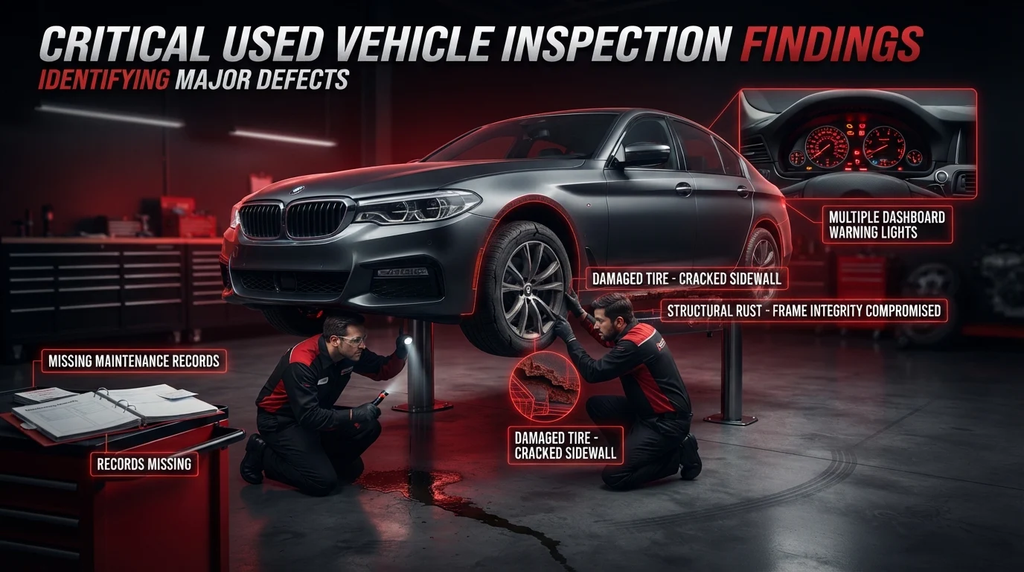
Avoid these common mistakes when shopping for an inexpensive vehicle:
- Buying solely because of the advertised price.
- Ignoring missing maintenance records.
- Skipping an independent inspection.
- Overlooking structural rust or flood damage.
- Ignoring dashboard warning lights.
- Assuming low mileage guarantees reliability.
- Buying heavily modified vehicles without understanding their condition.
- Spending the entire budget without reserving money for repairs.
A neglected vehicle from a reputable manufacturer can be a worse purchase than a properly maintained vehicle from another brand.
Frequently Asked Questions
What are the best cheap reliable cars?
The Toyota Corolla, Honda Civic, Mazda3 and Toyota Camry are good starting points. They offer practical transportation and accessible maintenance, especially when purchased with documented service histories.
What is the cheapest reliable used car?
Older Toyota Matrix, Pontiac Vibe and Toyota Yaris models may be affordable options. The best choice depends on local availability, mechanical condition and necessary repair costs.
Can I buy a reliable car for under $5,000?
Yes, although finding one can be difficult. Look for older vehicles with documented maintenance, avoid serious structural damage and arrange a professional inspection before purchasing.
Which cheap cars have low maintenance costs?
The Toyota Corolla, Toyota Yaris and Honda Fit are worth researching for manageable maintenance expenses. Actual costs depend on vehicle condition, age, mileage and local repair prices.
Is Toyota or Honda better for budget buyers?
Both manufacturers offer dependable used-car options. Compare specific model years, engine configurations, maintenance records and inspection results instead of choosing exclusively by brand.
Is buying a car with over 100,000 miles worth it?
Yes, if the vehicle has been properly maintained and passes a professional inspection. Consider upcoming maintenance requirements and potential component wear before purchasing.
What mileage is too high for a used car?
There is no universal mileage limit. Service history, driving conditions, mechanical wear and inspection results are more useful than mileage alone when evaluating a used vehicle.
Final Verdict
The best cheap reliable cars combine affordable purchase prices, practical transportation and manageable long-term ownership costs.
The Toyota Corolla and Honda Civic are strong starting points for daily commuting, while the Toyota Camry and Honda Accord provide additional passenger space. The Honda Fit offers compact-car practicality, and the Toyota Prius is worth considering for fuel savings.
Regardless of the model you choose, prioritize maintenance history, mechanical condition, safety and a professional pre-purchase inspection. A carefully selected affordable car can offer better long-term value than simply buying the cheapest vehicle available.