

A Toyota Prius with 100,000 miles can still be a reliable and economical vehicle. Many well-maintained Prius models exceed 200,000 miles, although hybrid battery health, engine condition, and maintenance history play an important role in their longevity.
Understanding Toyota Prius reliability after 100,000 miles can help you identify common problems, estimate future repair costs, and decide whether a high-mileage Prius is worth buying.
Is a Toyota Prius Reliable After 100,000 Miles?

Yes, a properly maintained Toyota Prius can remain dependable well beyond 100,000 miles. Its hybrid powertrain is designed for efficiency and durability, while regenerative braking helps reduce conventional brake wear.
Several features contribute to its long-term reliability:
- Durable hybrid transmission with fewer conventional automatic transmission components.
- Regenerative braking that reduces brake pad wear.
- Timing chain instead of a regularly replaced timing belt.
- Efficient gasoline engine and electric motor combination.
According to RepairPal’s model-wide reliability data, the Toyota Prius has an average annual repair and maintenance cost of $408. However, high-mileage vehicles may require additional repairs.
How Many Miles Can a Toyota Prius Last?
A well-maintained Prius can exceed 200,000 miles, and some examples reach 300,000 miles or more. Major component repairs or replacements may be necessary along the way.
Vehicle age, driving conditions, hybrid battery health, and maintenance history are more useful reliability indicators than mileage alone.
6 Common Toyota Prius Problems After 100,000 Miles
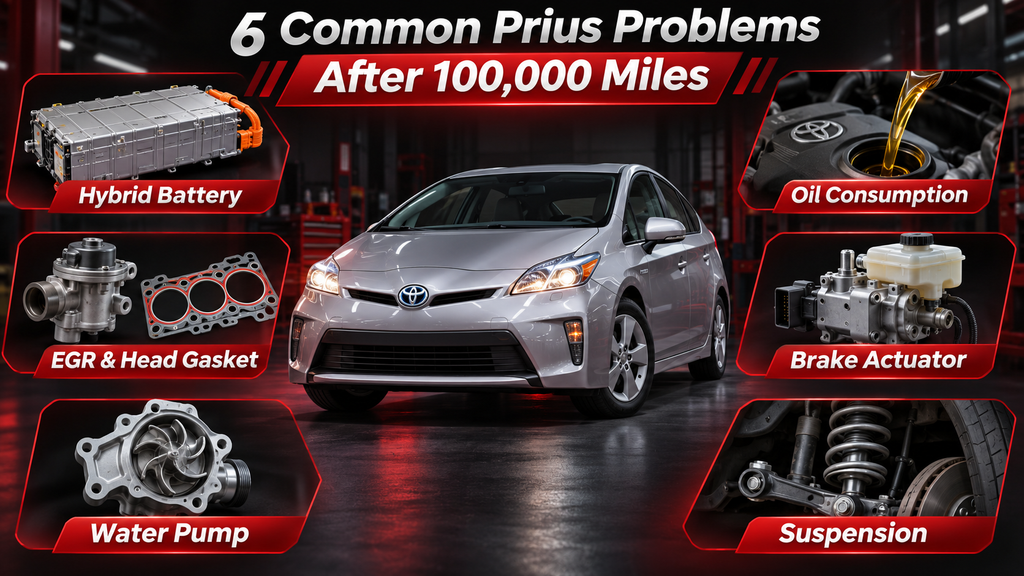
Although the Prius has a strong reliability reputation, older models can develop mechanical and electrical problems. Here are six important areas to inspect.
1. Hybrid Battery Degradation
The high-voltage hybrid battery gradually loses capacity as it ages. Possible warning signs include reduced fuel economy, rapid battery charge fluctuations, and hybrid system warning messages.
Professional battery diagnostics can help determine whether the battery needs repair or replacement.
2. Excessive Engine Oil Consumption
Certain 2010–2014 Prius models have documented oil consumption concerns. Regularly check the oil level and investigate unexplained oil loss or exhaust smoke.
3. EGR and Head Gasket Problems
Third-generation Prius models deserve particular attention for exhaust gas recirculation (EGR) system and head gasket concerns.
Rough cold starts, engine misfires, overheating, and unexplained coolant loss require professional diagnosis. These symptoms do not automatically confirm head gasket failure.
4. Brake Actuator Problems
Some older Prius models experience brake booster or actuator problems. Possible warning signs include brake warning lights and unusually frequent brake pump operation.
If braking performance changes or a serious brake warning appears, stop driving safely and arrange professional inspection.
5. Water Pump and Cooling System Problems
A failing water pump or coolant leak can cause overheating and expensive engine or hybrid system damage. Investigate coolant loss and temperature warnings promptly.
6. Suspension and Wheel Bearing Wear
High-mileage Prius vehicles may develop worn struts, wheel bearings, and suspension bushings. Unusual noises, vibrations, uneven tire wear, or poor handling are reasons to arrange an inspection.
Toyota Prius Reliability by Generation

Reliability concerns vary between Prius generations. Knowing these differences can help you choose a suitable used model.
| Model Years | Inspection Priorities |
|---|---|
| 2001–2003 | Battery age, corrosion, and parts availability. |
| 2004–2009 | Hybrid battery and age-related electrical problems. |
| 2010–2015 | Oil consumption, EGR, head gasket, and brake booster. |
| 2016–2022 | Battery health, cooling system, and service history. |
| 2023 onward | Recall status and developing long-term reliability evidence. |
The fourth-generation Prius (2016–2022) is a reasonable starting point for buyers seeking a balance between vehicle age, fuel efficiency, and affordability.
Third-generation models can also provide good value, but their engine and braking systems deserve closer inspection.
Toyota Prius Hybrid Battery Life and Replacement Costs
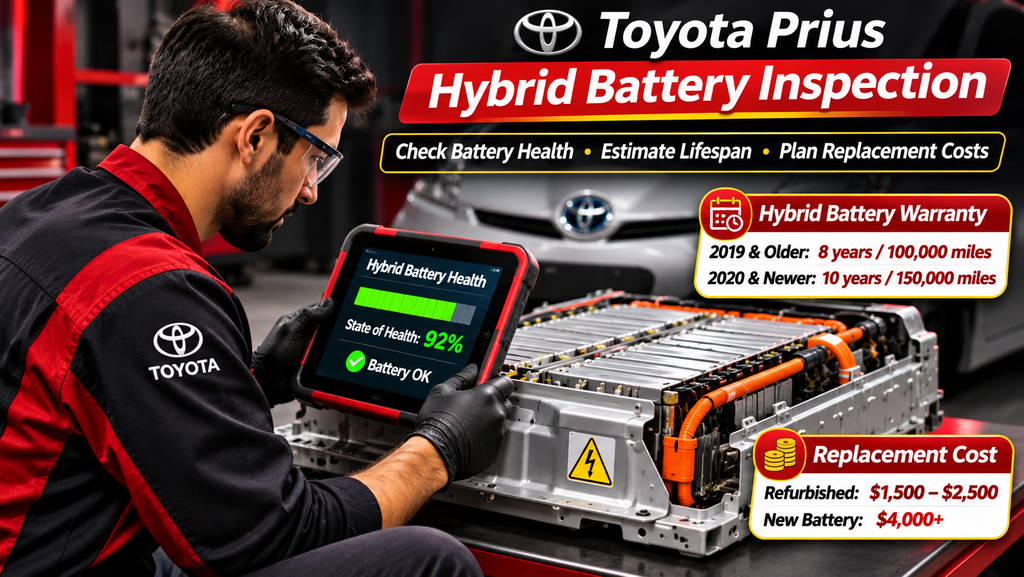
A Prius hybrid battery does not automatically require replacement at 100,000 miles. Its lifespan depends on age, temperature, usage, and cooling system condition.
Hybrid Battery Warranty
Toyota’s standard US hybrid battery warranty varies by model year:
- 2019 and older: 8 years or 100,000 miles.
- 2020 and newer: 10 years or 150,000 miles.
Coverage generally ends when either limit is reached. Some older vehicles may qualify for extended emissions-related coverage. Confirm eligibility using the VIN and original in-service date.
Hybrid Battery Replacement Cost
A refurbished hybrid battery may cost approximately $1,500–$2,500 installed, while a new battery replacement may cost $4,000 or more.
Always obtain a battery health assessment before replacing the battery or purchasing a high-mileage Prius. High-voltage battery repairs should be performed by qualified professionals.
Toyota Prius Maintenance Checklist After 100,000 Miles

Regular maintenance can help extend the life of your Toyota Prius and reduce the risk of unexpected repairs.
| Component | Maintenance Action |
|---|---|
| Engine oil and filter | Replace according to the service schedule. |
| Engine coolant | Check replacement history and applicable service interval. |
| Spark plugs | Replace when due, often around 120,000 miles. |
| Hybrid battery | Test health when condition is uncertain. |
| Battery cooling intake | Inspect and clean as recommended. |
| Brakes and tires | Inspect condition, wear, and operation. |
| Inverter coolant | Follow its separate maintenance interval. |
| Suspension and 12-volt battery | Inspect and test condition. |
| Engine and cabin air filters | Inspect and replace when due. |
Not every component requires replacement at 100,000 miles. Follow Toyota’s maintenance schedule for your specific model year and driving conditions.
How Much Does a High-Mileage Toyota Prius Cost to Maintain?
Routine Prius maintenance is generally affordable, but major hybrid or engine repairs can increase ownership costs considerably.
| Service or Repair | Estimated US Cost |
|---|---|
| Oil change | $130–$160 |
| Coolant replacement | $225–$290 |
| Refurbished hybrid battery | $1,500–$2,500 |
| New hybrid battery | $4,000–$5,000+ |
| Brake booster replacement | $1,000–$1,200+ |
| Head gasket replacement | $2,900–$4,100 |
These are approximate repair estimates, not guaranteed prices. Actual costs depend on model year, location, parts availability, labor rates, and diagnostic findings.
What to Check Before Buying a Prius With 100,000 Miles

A pre-purchase inspection can help you avoid buying a Prius with expensive hidden problems.
- Review complete maintenance and repair records.
- Request a professional hybrid battery health report.
- Check for engine oil and coolant loss.
- Observe the engine during a cold start.
- Scan for diagnostic trouble codes.
- Inspect brakes, tires, and suspension.
- Review accident and vehicle title history.
- Check the VIN for outstanding recalls.
- Arrange an independent hybrid vehicle inspection.
Avoid vehicles with unresolved overheating, serious hybrid system faults, unsafe brakes, or unexplained coolant loss until these problems have been professionally evaluated.
Is a Toyota Prius With Over 100,000 Miles Worth Buying?
Yes, a high-mileage Prius can offer excellent value if its hybrid battery, engine, braking system, and maintenance history are in good condition.
| Decision | Vehicle Condition |
|---|---|
| Buy | Healthy battery, documented maintenance, satisfactory inspection, and fair pricing. |
| Negotiate | Minor wear or upcoming maintenance expenses. |
| Walk Away | Serious unresolved hybrid faults, overheating, unsafe brakes, or undisclosed damage. |
A well-maintained Prius with 150,000 miles may offer better long-term value than a neglected model with fewer than 100,000 miles.
Frequently Asked Questions
Is 100,000 miles too much for a Toyota Prius?
No. A properly maintained Prius with a healthy hybrid battery and sound mechanical condition can remain reliable beyond 100,000 miles.
Can a Toyota Prius last 300,000 miles?
Some Prius vehicles reach 300,000 miles or more with regular maintenance and necessary repairs. However, this lifespan is not guaranteed.
Does a Prius need a new hybrid battery at 100,000 miles?
No. Hybrid battery replacement should be based on diagnostic results and battery condition rather than mileage alone.
Which Toyota Prius generation is best for high-mileage ownership?
The fourth-generation Prius, produced for US model years 2016–2022, is worth considering. Individual vehicle condition remains more important than generation alone.
Should I buy a Prius with 150,000 miles?
A Prius with 150,000 miles can be worth buying if it passes a professional inspection, has documented maintenance, and its price reflects potential future repair expenses.
Is a Toyota Prius expensive to maintain after 100,000 miles?
Routine maintenance is generally affordable, but major repairs involving the hybrid battery, head gasket, or braking system can significantly increase ownership costs.
Final Verdict
Toyota Prius reliability after 100,000 miles depends largely on maintenance history, hybrid battery health, and model-specific mechanical concerns.
A well-maintained Prius can continue providing economical transportation for many years. Before buying, prioritize a professional inspection and documented service history rather than relying on mileage or brand reputation alone.